School programme models

Real projects. Flexible delivery.

Choose a format that fits your school calendar and use hands-on DIYA projects to turn coding, electronics and engineering into visible learning.

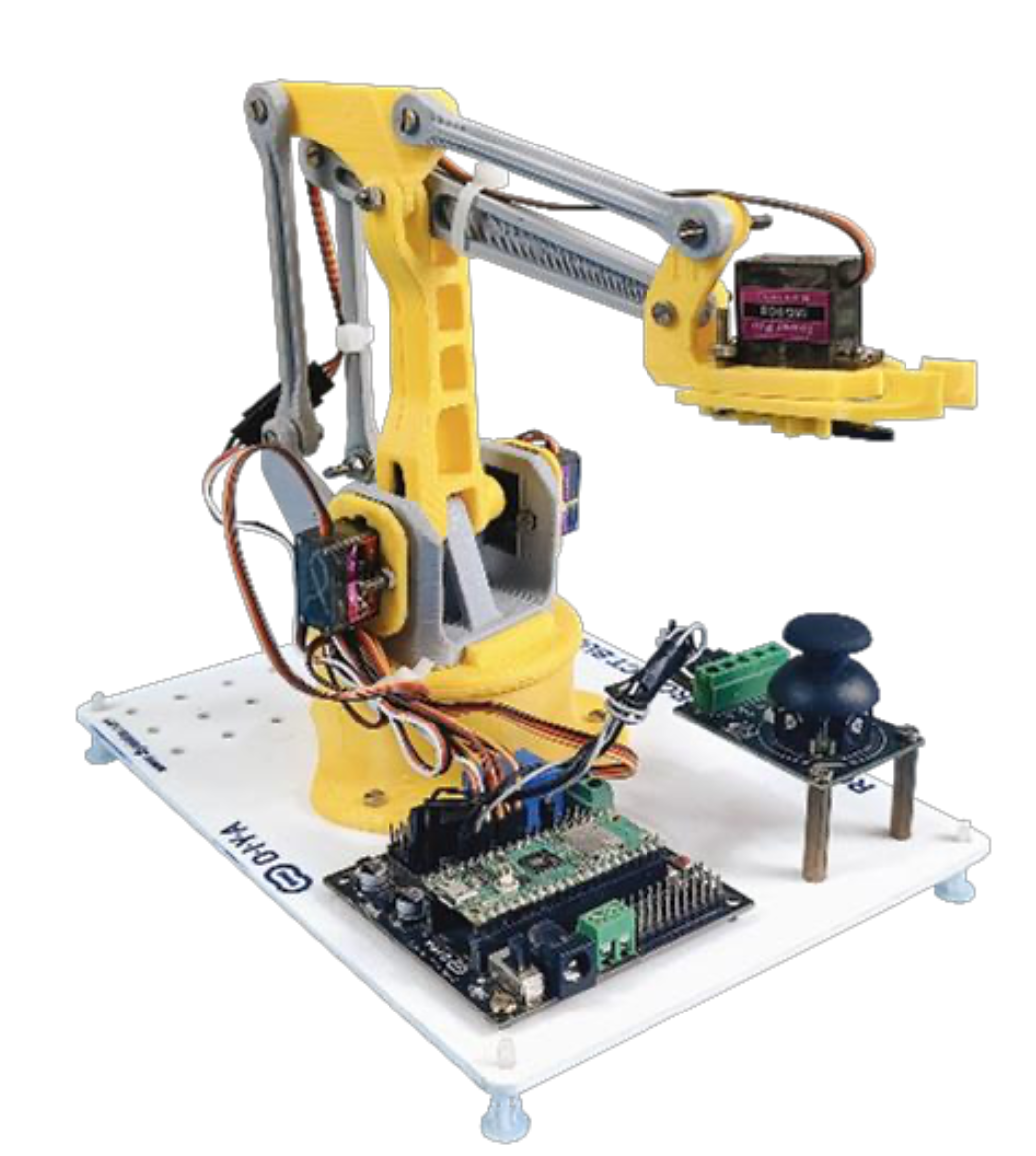
DIYA industrial robotic arm learning kit
Four ways to begin

A model for different school priorities.

Each option is scoped as a school partnership—not sold as a one-size-fits-all class.

Timetabled

Curriculum-integrated

A structured pathway taught during school hours, aligned to the school calendar and learner level.

Flexible

CCA or enrichment

A term-based co-curricular programme for mixed-interest groups and progressive project work.

Extended

After-school academy

A school-hosted club with clear progression, project portfolios and parent-facing outcomes.

Start small

Pilot or showcase

A focused proof of concept for one cohort before wider adoption across the school.

Project domains

Hardware that makes abstract concepts concrete.

The final kit selection follows learner stage, intended outcomes and the agreed programme design.
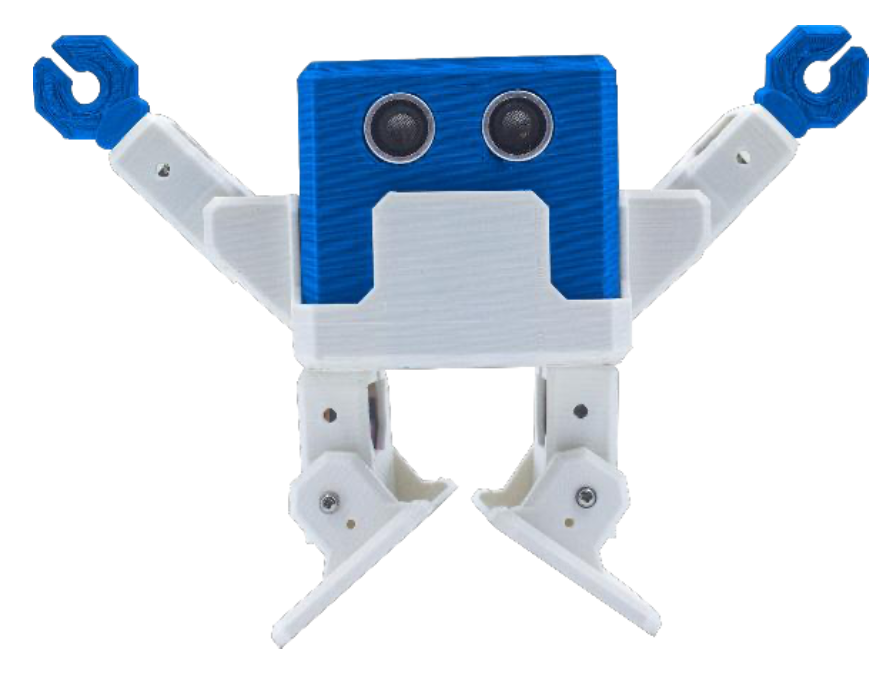
C1DIYA Bi-Ped Botist kit

Robotics + 3D design

Bi-Ped Botist

Build and code a 3D-printed walking robot with embedded electronics.
C2DIYA QuadBot Prodigy kit

Robotics + biomimicry

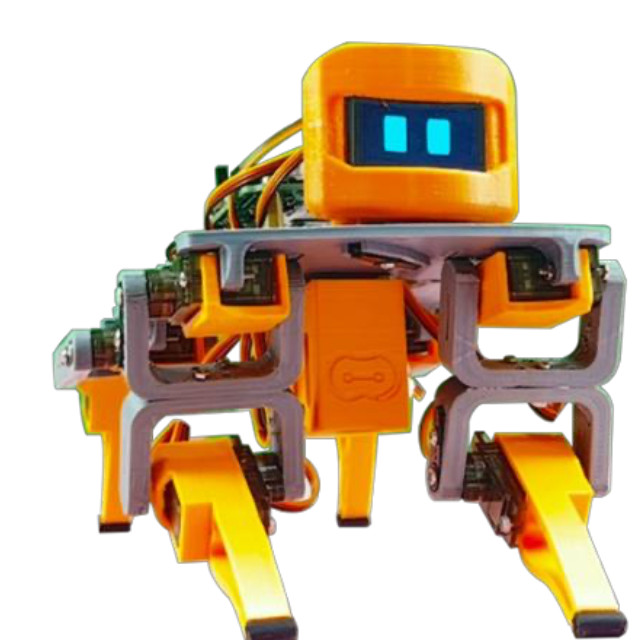
QuadBot Prodigy

Explore biomimicry through a responsive four-legged robot.
C3DIYA Industrious Automator kit

Automation + control

Industrious Automator

Create industrial automation projects with a robotic arm and end effectors.
D1DIYA The Thingsman kit

IoT + interfaces

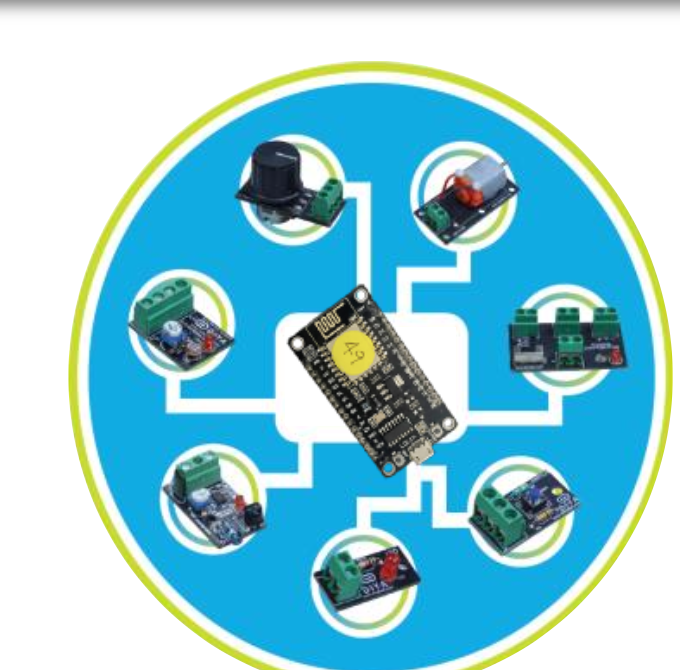
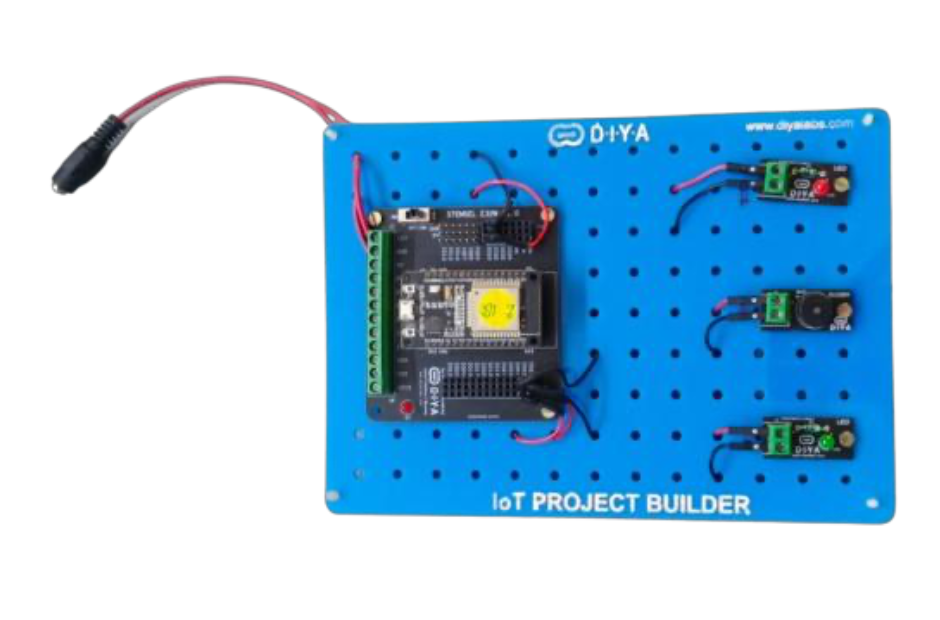
The Thingsman

Develop connected applications through Internet of Things projects.
D2DIYA AI Adept kit

AI + wireless control

AI Adept

Deploy AI-enabled decision-making and wireless device control.
What learners practise

Technical capability and transferable habits.

Coding and computational thinking

Plan, sequence, debug and improve instructions.

Engineering and electronics

Connect mechanisms, sensors, actuators and controls.

Design and iteration

Prototype, test, diagnose and refine.

Communication and teamwork

Document decisions and explain working solutions.

AI and connected systems

Explore data-informed decisions, interfaces and IoT.

Project ownership

Move from guided tasks towards independent problem-solving.

Plan the next step

Choose a programme by fit, not by trend.

Share the learner stage, available timetable and intended outcomes. We’ll recommend the most realistic model and kit pathway.