School partnership · Malaysia
Hands-On AI and Robotics Programmes for Malaysian International Schools
Curriculum-integrated, CCA and after-school pathways designed around your learners, timetable and school priorities.
 School enquiry
Curriculum-integrated, CCA and after-school pathways designed around your learners, timetable and school priorities.
Established internationally. Entering Malaysia with evidence-led school partnerships.
Programme-specific certificate, eligibility and organisational role are confirmed before enrolment.
Ordell Malaysia helps international schools introduce practical AI, robotics, coding, electronics, IoT and automation through structured learning pathways, purpose-built DIYA kits and implementation support.
Malaysia is a new market entry for this programme. We are bringing established international experience while designing each local partnership around the school's own curriculum, timetable and evidence needs.
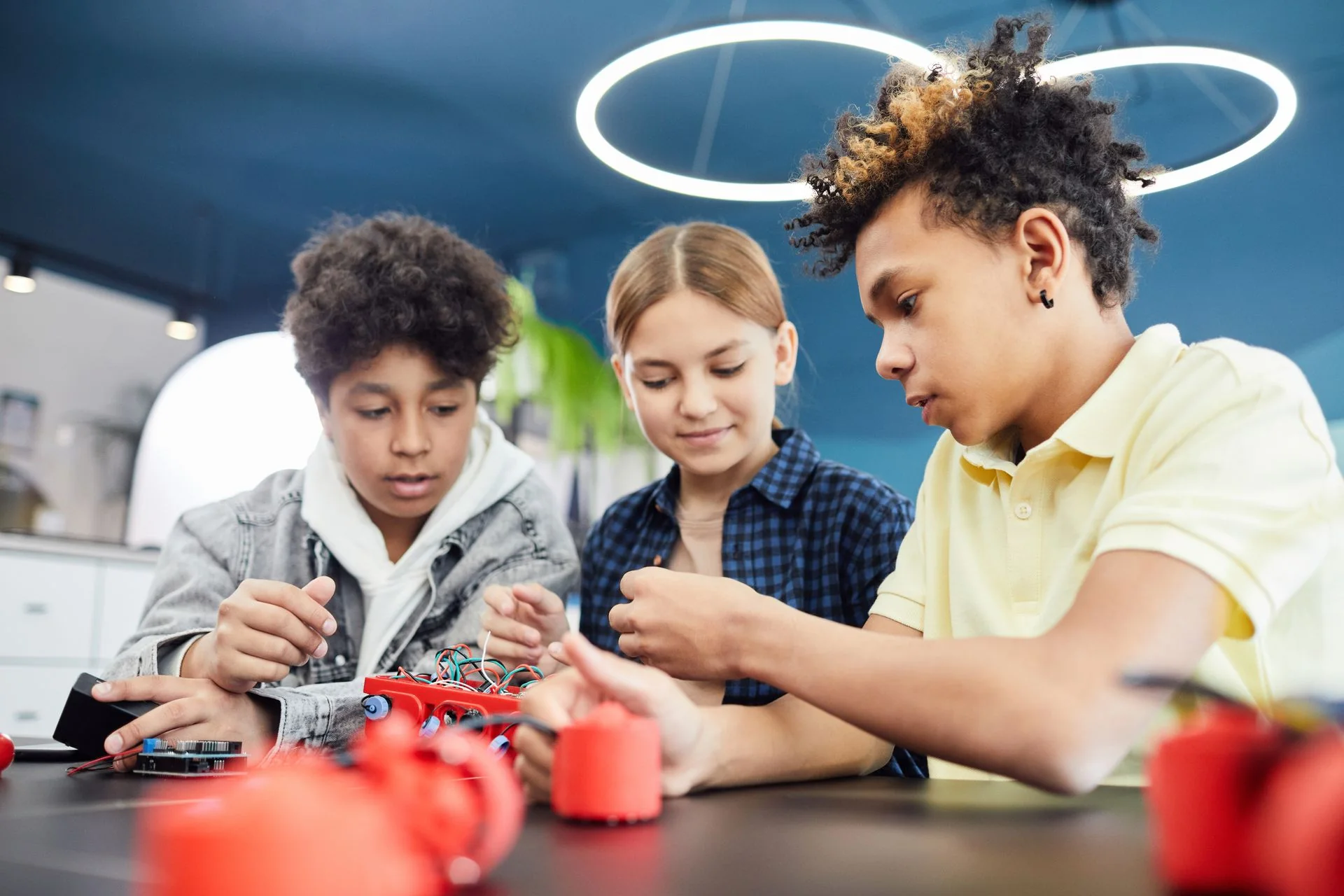
Designed for heads of school, curriculum leaders and innovation teams who need a credible programme and a manageable route to delivery.
Programme format, age pathway and timetable are planned around the school context.
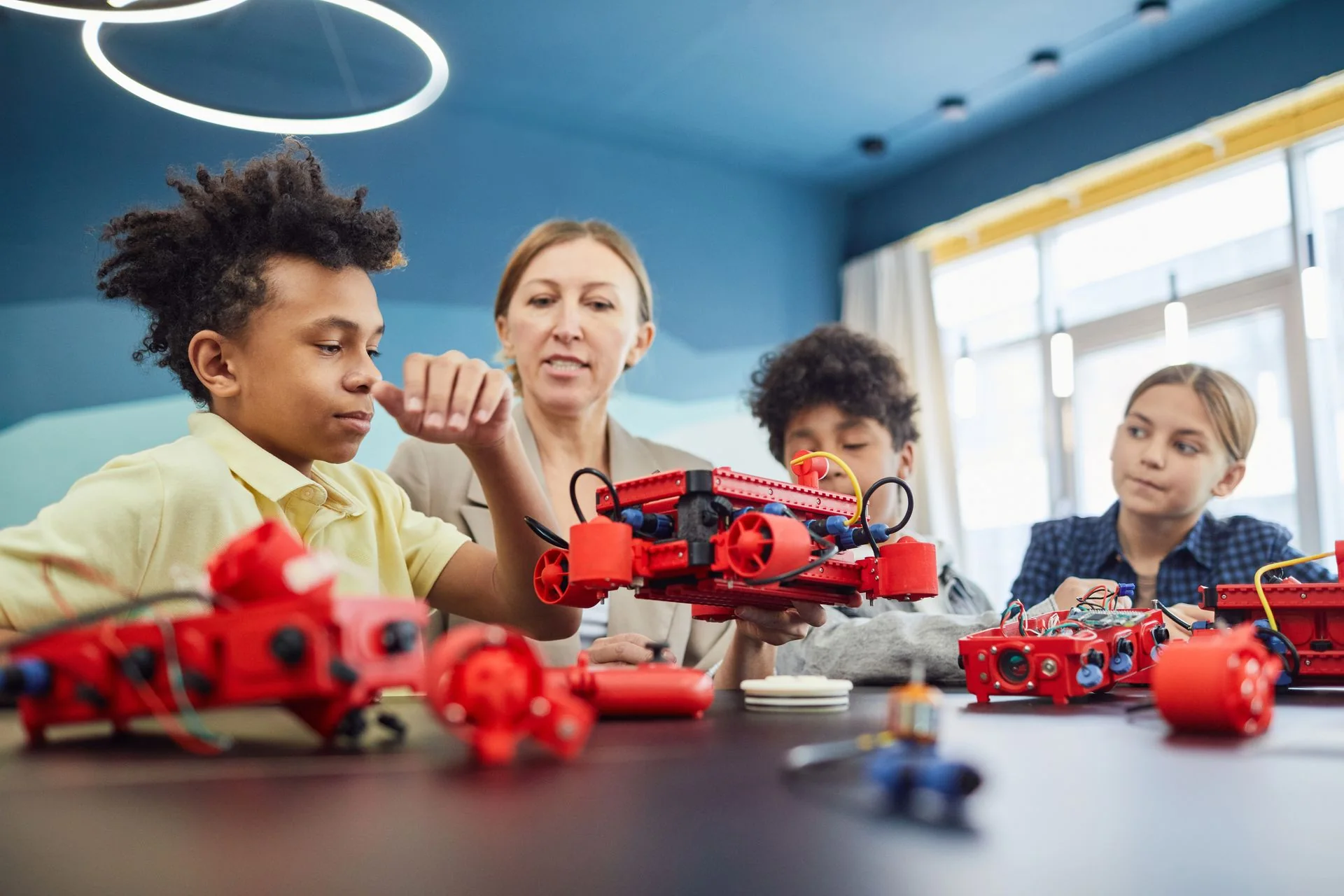
Learners build, test, troubleshoot and present functioning projects.
Orientation, practical training and delivery resources support sustainable implementation.
Scope, kit allocation, assessment and certificate eligibility are confirmed before launch.
Start with a focused use case, then build a longer-term pathway as evidence and confidence grow.
A structured pathway taught during school hours, aligned to the school calendar and learner level.
How it works →A term-based co-curricular programme for mixed-interest groups and progressive project work.
How it works →A school-hosted club with clear progression, project portfolios and parent-facing outcomes.
How it works →A focused proof of concept for one cohort before wider adoption across the school.
How it works →The final sequence is agreed with each school; the pathway below shows the intended progression by educational stage.
Primary
Playful coding, electronics and guided invention for confident first steps.
Upper Primary
Mechanisms, robotics and purposeful team projects with visible outcomes.
Lower Secondary
Embedded systems, 3D design and increasingly independent engineering.
Upper Secondary
AI, IoT and automation challenges linked to real-world applications.
We clarify age groups, timetable, curriculum priorities, space and success measures.
Ordell proposes the pathway, delivery model, kit plan, staffing support and eligible certificate route.
Equipment, facilitator resources, teacher orientation and the implementation calendar are prepared.
Students learn through guided builds, testing, teamwork and documented project milestones.
The school reviews participation, projects and feedback before renewal or wider rollout.
DIYA's published figures relate to its international network, including work originating in India. Ordell also publishes education activity in Africa. These are international references, not Malaysian customer results.
Review the evidenceIndia and the international DIYA network
Source: DIYA Labs ↗Published international DIYA track record
Source: DIYA Labs ↗Published international DIYA track record
Source: DIYA Labs ↗Projects connect engineering, coding and design thinking through tangible systems. Exact kit mix and sharing ratios are defined in the school proposal.
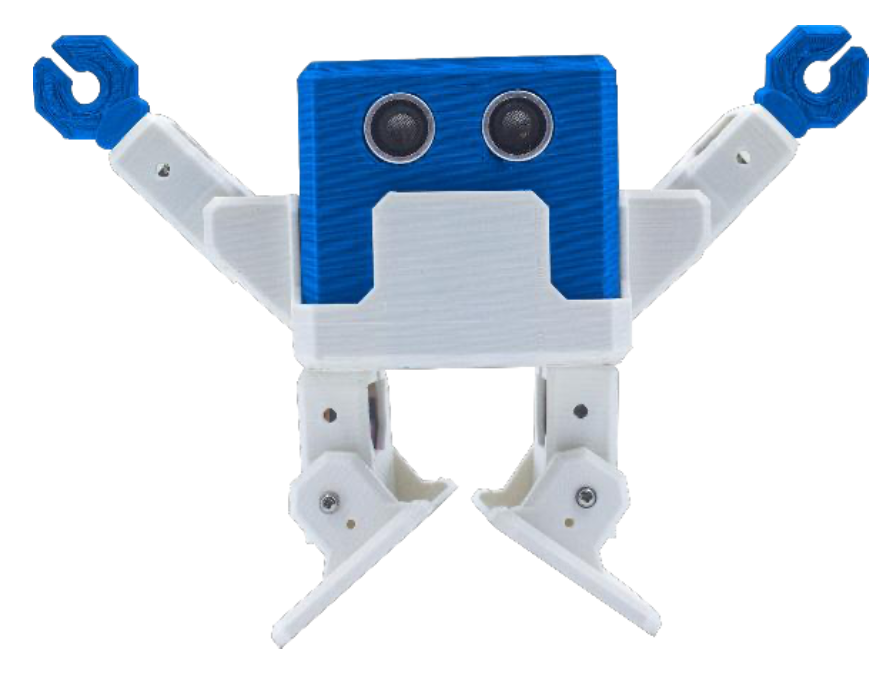
Robotics + 3D design
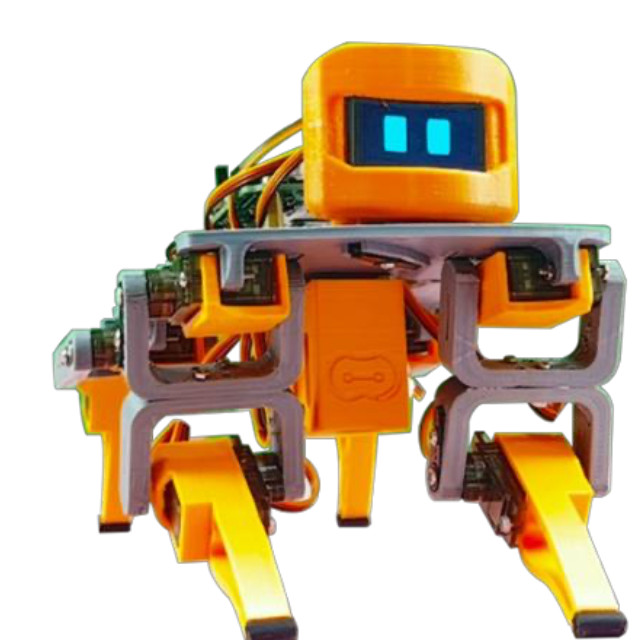
Robotics + biomimicry
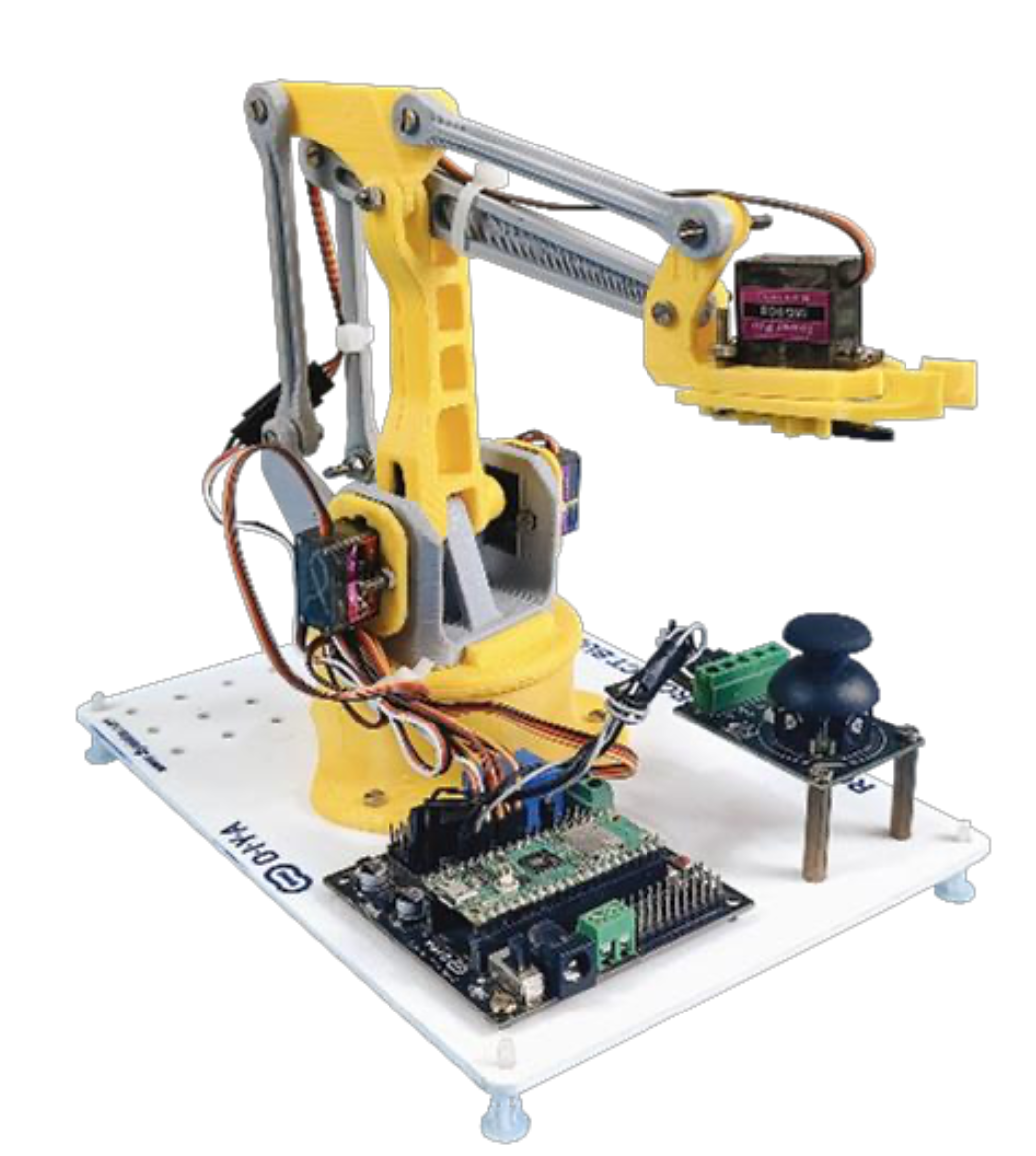
Automation + control
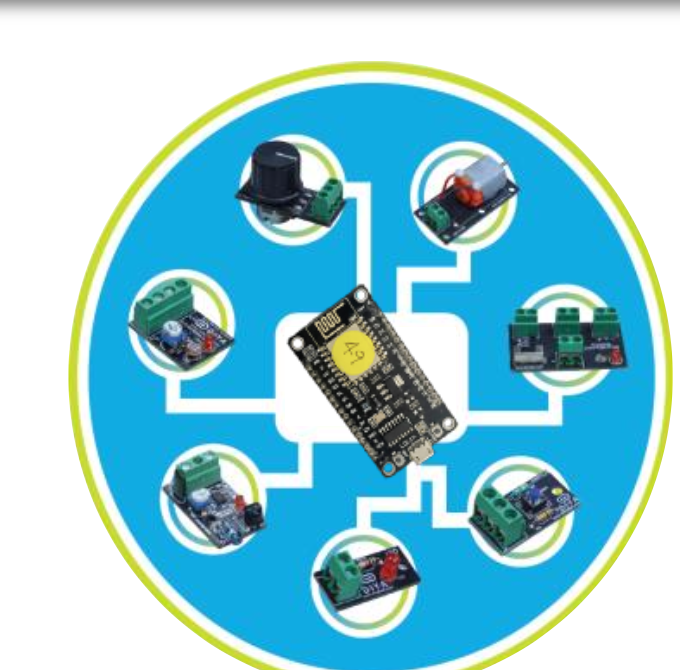
IoT + interfaces
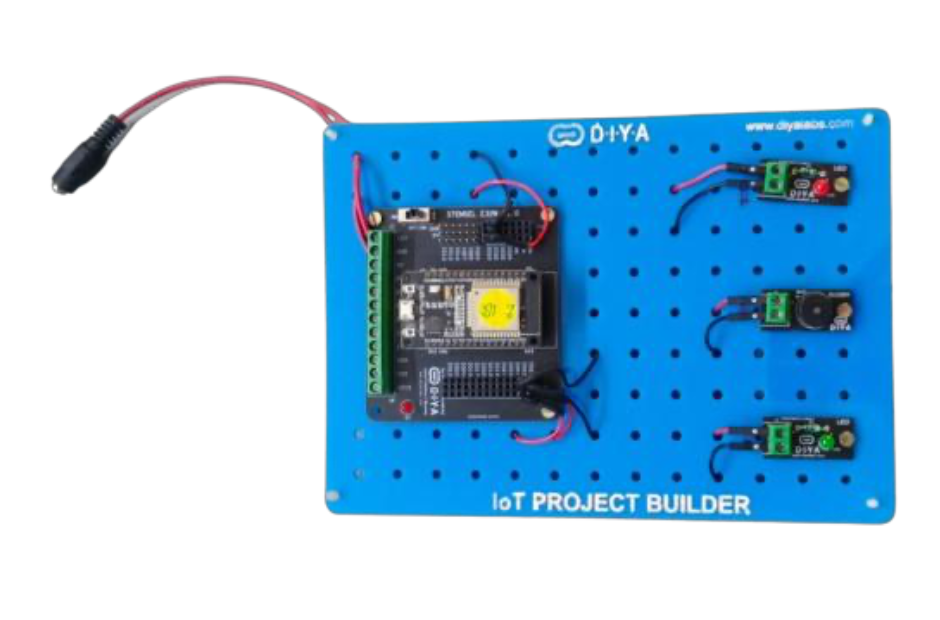
AI + wireless control
Guided builds, coding activities, challenges and evidence of learning.
Practical kit familiarisation, delivery guidance and review checkpoints.
Students completing eligible programmes receive a certificate of achievement. Selected modules may connect to participating international organisations, subject to the agreed programme, eligibility and assessment requirements.
Partner display describes the broader DIYA learning ecosystem. It does not imply that every partner awards or recognises every programme.
Read the certification framework →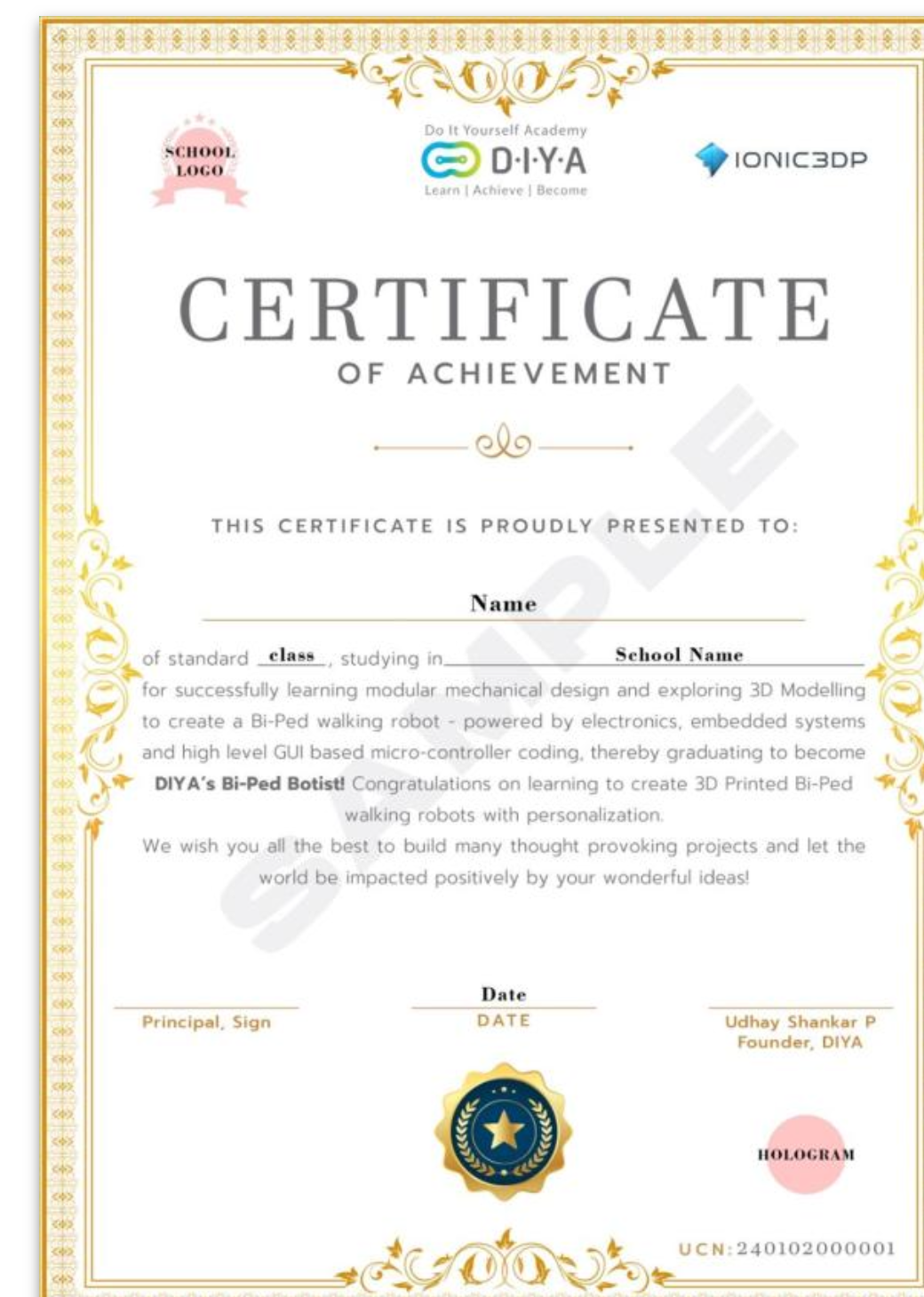
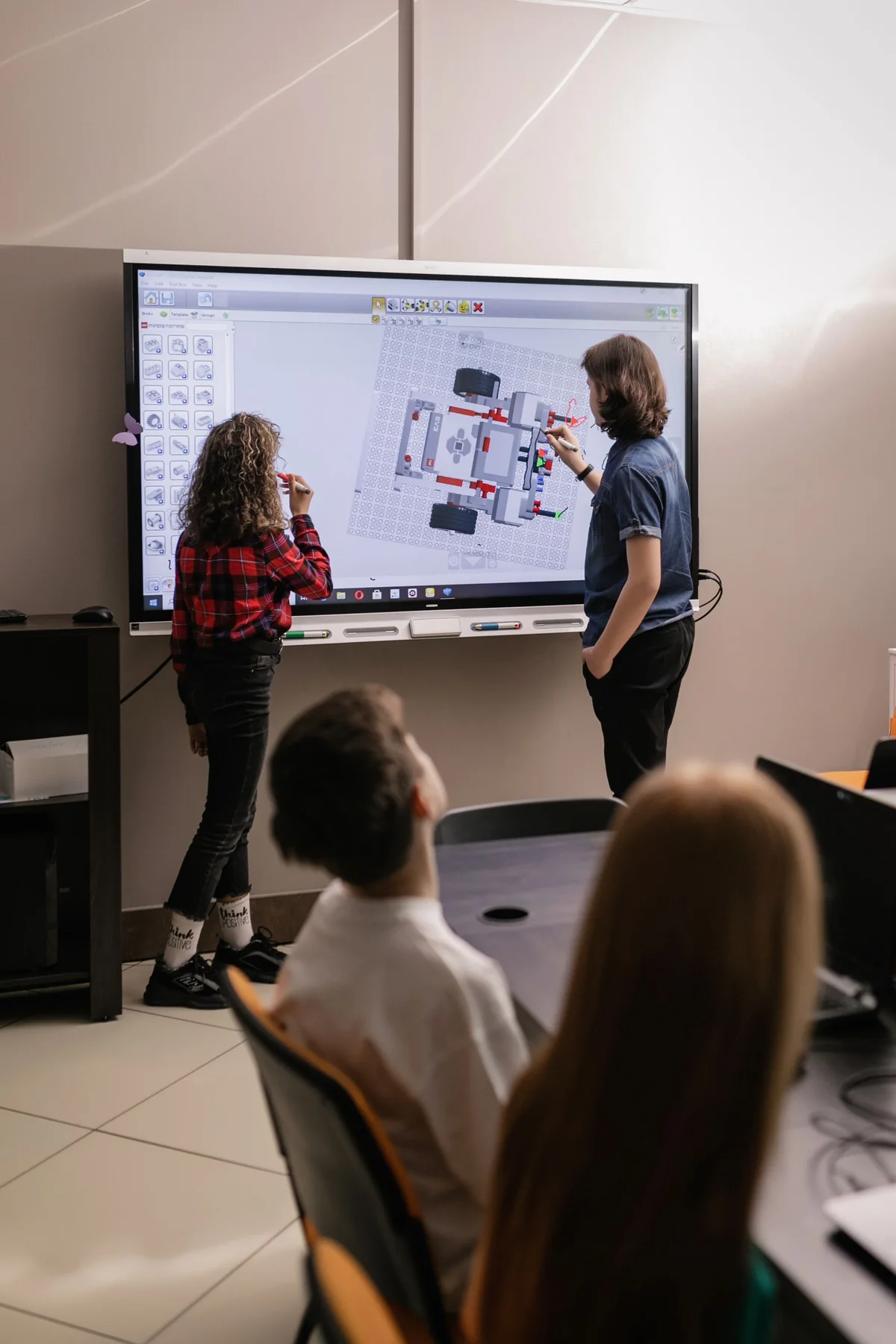
Agree one cohort, a defined learning goal, an implementation window and a review conversation. Your school can then evaluate engagement, project quality, staff experience and operational fit.
Explore the pilot pathwayShare your learner stages, preferred delivery model and academic calendar. We’ll use the first conversation to define the right next step.